The Bonk Is a Choice: A Real-World Fueling Plan for Montana's 100 Miler
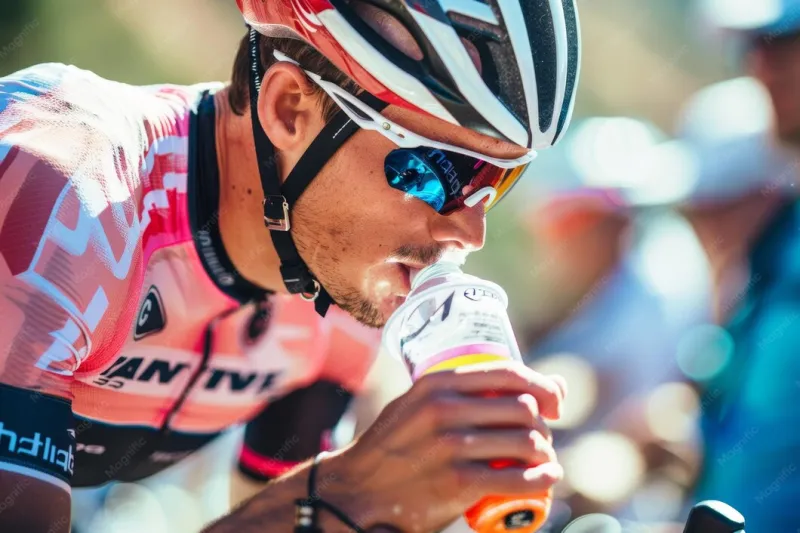
Photo: cyclist eating energy gel during long road bike ride, via img.freepik.com
Every gran fondo has a moment — usually somewhere around mile 60, right when the road tilts upward and the sun's fully out — where a rider who looked strong all morning suddenly goes backwards through the field. Legs gone. Brain foggy. The bonk doesn't announce itself; it just shows up and takes your day.
Here's the good news: at MSU Gran Fondo distances, the bonk is almost entirely preventable. It's not a fitness problem. It's a fueling problem. And unlike the weather, fueling is something you fully control.
Start Days Before the Gun, Not the Night Before
Carb-loading has a reputation as one giant plate of pasta the evening before. That's about a third of the picture. Your muscles top off glycogen over 36 to 48 hours, not in one sitting.
A simple race-week approach for the final two days:
- Two days out: Shift your plate so carbs make up roughly 70% of it. Rice, potatoes, oatmeal, bread, fruit. Keep protein moderate and back off the fiber and heavy fats.
- Day before: Same idea, smaller volume. Don't try anything new. This is not the day to experiment with that fermented health drink your coworker swears by.
- Race morning: Eat a familiar breakfast two to three hours before start — bagel with peanut butter, oatmeal with banana, toast and eggs. Aim for 80 to 120 grams of carbs. Sip water or a bottle of electrolyte mix, and take a gel about 15 minutes before the roll-out.
The Mid-Ride Math That Keeps You Upright
On the bike, the target is simple: 60 to 90 grams of carbohydrates per hour, starting at the 45-minute mark — not when you feel hungry, because by then it's too late. Hunger and thirst are lagging indicators. Your engine runs on what you fed it an hour ago.
What that looks like in practice:
- One bottle of sports drink per hour (roughly 30g carbs)
- A gel or a couple of chews every 40 to 45 minutes (25–50g carbs)
- Real food at rest stops — fig bars, half a PB&J, orange slices
Set a timer on your bike computer. Seriously. Every rider who bonks swears they were "keeping an eye on it," and every one of them got distracted by a climb, a paceline, or a conversation. The timer doesn't get distracted.
Montana-Made Fuel, Honestly Reviewed
We tested a handful of snacks with roots right here in the Treasure State. No sponsorships, just opinions.
Huckleberry jam sandwiches (DIY, Montana huckleberries): The undisputed champion of the test. Fast carbs, nostalgia, and they taste like the reason we all live here. Downside: they're messy in a jersey pocket. 9/10.
Beef jerky from a Montana meat brand: Great at mile 85 when you're craving salt, terrible as your only fuel. Zero carbs. Bring it for morale, not energy. 6/10.
Huckleberry-flavored gummies and chews from regional makers: Legitimately tasty, but check the label — some are candy-adjacent on carbs. The good ones deliver 25g+ per pack. 7/10.
Flathead cherry dried fruit: Dense, easy to digest, packs well. Underrated. 8/10.
The Finish Line Isn't the End of the Job
Recovery nutrition is where most fondo riders check out. Don't. Within 30 to 60 minutes of finishing, get 20 to 30 grams of protein and another 60-plus grams of carbs down — chocolate milk, a recovery drink, a burrito, whatever your stomach tolerates. You earned it, and your legs will thank you on Monday.
Then hydrate through the evening. The post-ride beer counts as roughly zero percent of your fluid replacement, so alternate a glass of water with every drink.
The riders who fly up Montana's climbs on event day aren't just fit — they're fueled. Do the math, set the timer, pack the huckleberry sandwiches, and make the bonk somebody else's problem.