Beating the Clock: A Calm Guide to Fondo Time Limits
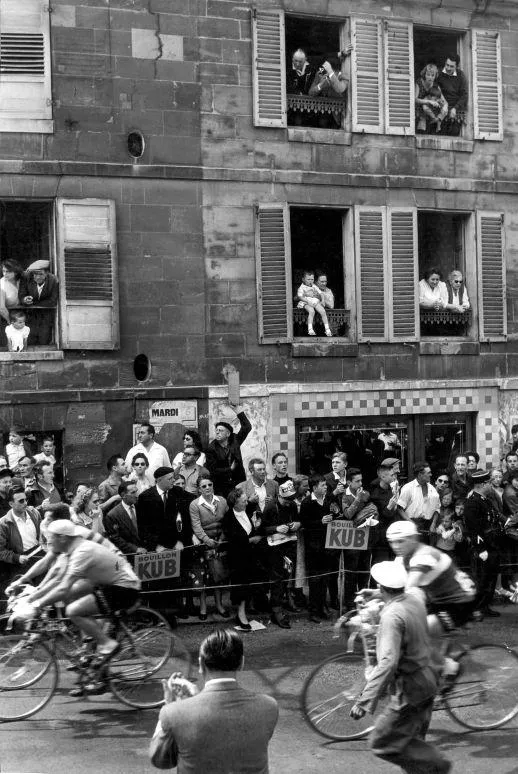
Photo: Nationaal Archief, No restrictions, via Wikimedia Commons
There's a piece of the MSU Gran Fondo that almost never makes it into the pre-ride conversations. Nobody posts about it on the group chat. Nobody trains for it specifically. But it shapes the day for a meaningful chunk of the field, and it can turn a beautiful Montana ride into a stressful one in the space of twenty minutes.
It's the cutoff clock.
Time limits exist at nearly every gran fondo, and they're not there to be cruel. They exist because roads have to reopen, volunteers have lives, SAG support has a schedule, and the last rider needs the same safety net as the first. Understanding how they work — and planning around them — is one of the most underrated skills in endurance cycling.
How Cutoffs Actually Work
Most events publish two or three checkpoint times rather than a single finish deadline. A checkpoint might sit at the base of the biggest climb, at a feed zone near the route split, or at the point where the long and short routes converge. Miss one, and the organizers will redirect you onto a shorter route or pull you from the course.
The final cutoff is the one everyone knows about, usually somewhere between eight and ten hours after the start. But the intermediate ones do most of the real work, because they're the ones that catch a slow start before it becomes a bad afternoon.
There's also the sweep. After the last rider passes, a SAG vehicle or a volunteer marshal follows the course, and once they're through, the course is technically closed. Sweep isn't a punishment. It's a moving safety zone, and it's the reason you're not alone out there at hour nine.
Where Riders Quietly Lose the Clock
The interesting thing about time limits is that very few riders blow them on the hard parts. Most of the lost time is boring.
The start. Corrals, bathroom lines, last-minute tire pressure checks, the friend who needs to swap a bottle. Fifteen to twenty-five minutes evaporate before anyone turns a pedal in anger. It's completely free to fix.
Feed zones. This is the big one. A motivated rider can spend thirty minutes at three aid stations without ever feeling like they stopped. The line for the porta-potty, the second refill, the jacket adjustment, the photo, the "does anyone have a spare gel" conversation. It adds up fast.
The last climb. Not because climbers are slow, but because this is where the day's accumulated effort shows up. The final ascent is almost always slower than the rider planned, and it's the place where small pacing errors become large time losses.
The wind section. A headwind stretch that took thirty minutes in training takes forty-five on race day, and the rider who paced off speed instead of effort doesn't notice until it's too late. Check the forecast and add time accordingly.
Do the Math Before You Ride
A pace plan starts with division. Take the total cutoff time, subtract your realistic stopped time, and see what moving speed the remainder requires.
Say the limit is nine hours and you expect about an hour of total stopped time across the day. That leaves eight hours for roughly a hundred miles — a shade under 12.5 mph average. That's genuinely achievable for most riders who trained for the event, which is the point: the cutoff isn't a hard barrier. It's a boundary you plan around.
Now do the same math for each segment, particularly the one leading to the first checkpoint. It is far easier to build a small buffer in the first third of the ride, when your legs are fresh and the roads are flat, than to claw it back later.
Build a Plan With Margin
The single best piece of advice about cutoffs is this: aim to reach every checkpoint with at least 30 minutes of cushion. Not because something will go wrong — though it might — but because riding with margin makes the whole day calmer. You stop racing the clock and start riding the course.
A few practical habits that pay off:
- Set a timer for aid station stops. Ten minutes, tops, for the first two. Grab food, refill, go.
- Eat on the move. If you're waiting until the feed zone to eat, you're turning nutrition into a stop.
- Ride the first hour slightly easier than you want to. It's the cheapest buffer you'll ever buy.
- Group up early. A smooth paceline in the first fifty miles is worth more than any heroic solo effort later.
- Know your checkpoint times from memory before the start. Write them on a piece of tape on your stem if you have to.
An Honest Pace Check
The hardest part of cutoff planning is being honest about your own speed, especially in a group. On the fondo route, a big pack can carry you along at 20 mph for long stretches, then scatter on the climb, then leave you alone in a headwind on the back half. Your pace plan needs to survive the moment the group is gone.
So test it. Ride a long solo effort in training — somewhere around seventy percent of the event distance — and see what you actually average, including your stops. If that number is comfortably above what the cutoff demands, you're fine. If it's close, plan to ride with a group and pick your wheels early.
If the Clock Is Starting to Beat You
It happens. The wind picks up, the legs go flat, the aid station took too long. If you find yourself behind schedule, talk to a course marshal sooner rather than later. Most events would far rather move a rider onto the short route or give them a lift than have them push an unsafe pace through the final hours.
Taking the short route is not a failed fondo. Riding past a cutoff and getting pulled at the next one is a much worse version of the same outcome, and it's a lot easier on everyone if you make that call yourself.
The clock is not the enemy. It's a set of rails, and rails are what let a thousand riders share a beautiful stretch of Montana road safely. Know where they are, respect them, and build a plan that gets you to the finish line with a cushion, a smile, and time left to eat.