The Ride That Ended Early—and Taught Me More Than a Finish
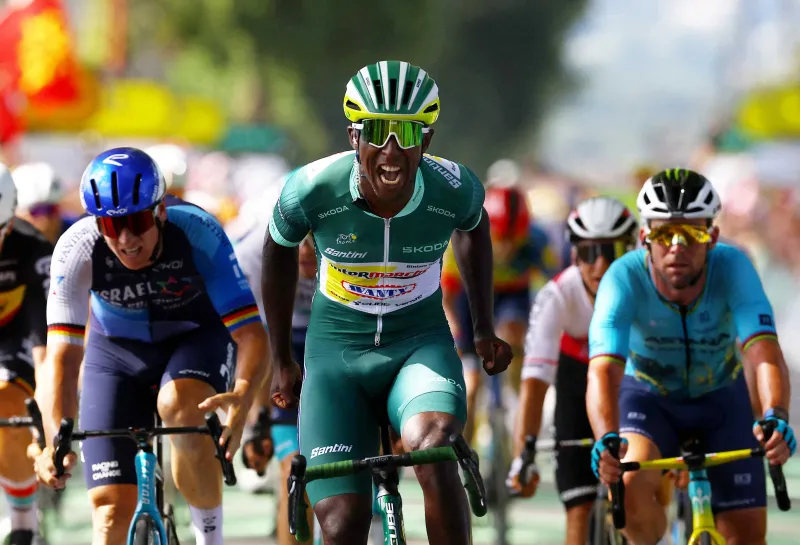
Photo: cyclist sitting roadside with support van in mountain valley, via publish.eastleighvoice.co.ke
I have a DNF. It is not a badge, and it is not a secret. It happened at the MSU Gran Fondo, somewhere past the point where the day had stopped being fun and started being a negotiation. I pulled over, looked at the road ahead, and knew I was done. Not injured. Not dramatic. Just done.
Endurance cycling loves a finish-line photo. It loves the story of the rider who almost quit and then somehow found another gear. What it does not talk about much is the rider who did quit, or the reasons why, or what happens after the timing chip stops. This is that story, or at least a version of it.
The math you do before you quit
A DNF rarely comes out of nowhere. There is usually a spreadsheet in your head. How far to the next feed zone? How long is the climb? How many hours until the time cut? How does my stomach feel? How are my hands, my knees, my eyes? Can I ride this safely for another three hours?
In my case, the spreadsheet did not balance. I had started too hard, under-eaten, and let a small mechanical problem turn into a mental one. By the time I reached the decision point, I was not making good choices. I was riding to prove I could, not because I actually could. That is a dangerous place to be on a bike.
The hardest part was not the physical discomfort. It was the story I was telling myself about what quitting meant. I had trained. I had driven to Bozeman. I had pinned on a number. Walking away felt like wasting all of it.
The SAG ride is quieter than you think
If you have never been in a SAG vehicle, you might imagine it as a rolling party. It is not. It is a pickup truck or a van with a bike rack, a driver who has seen this before, and a silence that feels louder than the wind outside.
The driver did not lecture me. They asked if I was okay. They helped me load the bike. They offered water. They drove me back to the start area, and I watched the miles I had already ridden pass by in reverse. That is a strange kind of heartbreak. You see the road you suffered on, and it looks so ordinary. Just pavement, grass, and sky.
What surprised me was the kindness. Nobody at the finish line pointed and laughed. A volunteer asked if I needed anything. Another rider said, been there. That is not the story we tell about DNFs, but it is the one that actually happens.
The disappointment has a shape
For the first few hours, I was angry. Then I was embarrassed. Then I was tired. The disappointment did not arrive all at once. It came in waves, usually when someone asked how the ride went. I did not know how to answer. I did not finish, I said. The words felt small.
But here is what I learned: a DNF is not a moral failure. It is a data point. It means something in the equation did not work, whether that was preparation, pacing, fueling, equipment, weather, or simply the fact that a long ride is a long ride and sometimes the day wins.
What the DNF actually taught me
The first lesson was about honesty. I had ignored early warning signs because I wanted the finish more than I wanted to ride well. The second lesson was about fueling. I had treated nutrition like a suggestion instead of a plan. The third lesson was about ego. I had let the century distance define my worth on a day when the smart move was to stop.
Since then, I have changed how I train for long events. I practice eating on the bike. I practice riding easy when I want to ride hard. I scout the course and know where the exits are. I tell someone my plan. I give myself permission to make a decision based on the day in front of me, not the rider I thought I would be.
How to come back
If you DNF, do not erase the ride. Log it. Write down what happened. Talk to someone who has been there. Eat something. Sleep. Take an easy week. Then pick the next ride, and make it something you can actually finish. There is no rule that says your next event has to be the same distance or the same course.
The MSU Gran Fondo will happen again in 2026 and beyond. The road will be there. The Bridgers will be there. The finish line will be there. And when you come back, you will know more about yourself than the rider who never had to stop. A DNF is not the end of the story. It is one chapter in a long cycling life, and the long cycling life is the one that matters.