Road, All-Road, or Gravel? Picking the Right Steed for the Fondo's Chip-Seal Reality
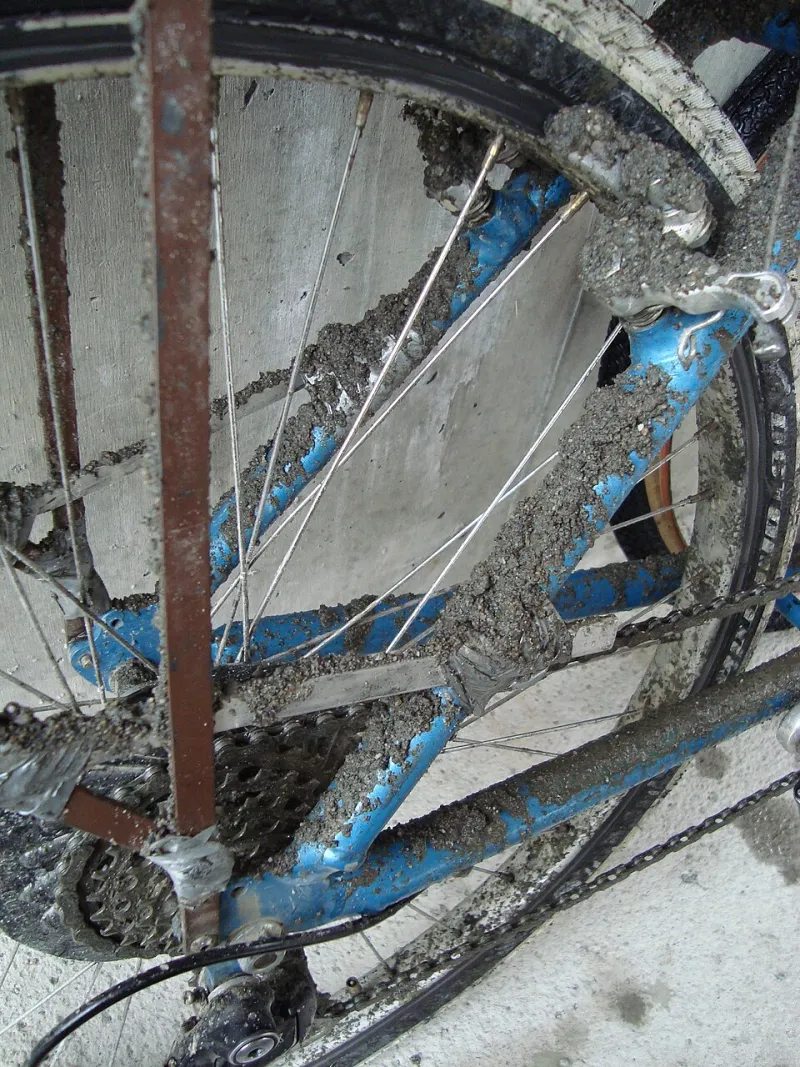
Photo: Jason Hollinger, CC BY 2.0, via Wikimedia Commons
Every year around registration time, the same email lands in our inbox a dozen times. It usually goes something like this: "I signed up for the 100 miler. My buddy says the roads out past the valley are sketchy. Do I need a gravel bike?"
The short answer: probably not. The longer answer is more interesting, and it depends on three things — your bike's tire clearance, your comfort level on rougher surfaces, and how much you actually care about the clock.
Let's dig in.
What the Course Actually Serves Up
The MSU Gran Fondo is, at its core, a road event. The vast majority of your day happens on paved two-lanes through the Gallatin Valley — smooth in stretches, chip-seal in others, and washboarded at the entrances to a handful of cattle guards you'll learn to dread.
Chip-seal is the word that scares people, and fair enough. Fresh tar-and-gravel surfaces feel like riding on a rumble strip, and some of our county roads get a fresh coat every few summers. But here's the thing: chip-seal is not gravel. Your tires don't sink. Your line doesn't wash out. You just buzz along and lose a little speed while your fillings vibrate.
There are also a few short unpaved connectors and driveways — think 100 to 300 meters, mostly flat, mostly avoidable at slow speed if you'd rather. Riders have finished the long route on 25mm race tires. We don't recommend it, but it's been done.
The Case for Each Bike
The road bike. If you're riding a modern endurance road bike with clearance for 28–32mm tires, you're in great shape. Bump the pressure down a touch — 65 to 75 psi depending on your weight — and the chip-seal turns from punishment into background noise. The aero race bike with 25s? It'll work, but your hands and lower back will file complaints by mile 70.
The all-road / endurance setup. Honestly, this is the sweet spot for most riders. A bike that takes 32–35mm tires in a smooth casing gives you cushion on the rough miles without giving up much on the flats. If you own one of these, stop reading and go ride.
The gravel bike. You don't need it, but you won't regret it. A drop-bar gravel rig with 38–42mm tires turns the rough stuff into a non-event and lets you take the cattle guard approaches without a prayer. The tradeoff is a couple of mph on the smooth sections and a slightly lazier feel in a pace line. If your gravel bike is your only bike, ride it with total confidence.
Where Time Is Actually Won and Lost
Here's the part nobody wants to hear: you will not win or lose this event because of your tire choice. The Fondo's decisive moments happen on the long climbs, where gravity cares about your power-to-weight, not your tread. A 2 mph difference on six miles of chip-seal is a rounding error compared to blowing up on the final ascent because you hammered the flats to make up time.
What does cost people time is fatigue. A harsh setup on rough pavement beats you up quietly — hands, neck, lower back — and that fatigue shows up as a 12 mph crawl where you'd hoped to hold 16. Comfort is speed, especially at century distance.
A Quick Decision Checklist
Run through this before race day:
- Tire clearance: Can you fit 30mm or larger? If yes, you're fine. If you're capped at 25mm, consider borrowing or renting for the day.
- Tire quality: A supple 28mm road tire often rides better than a harsh 32mm. Casing matters as much as width.
- Your handling comfort: Be honest. If unpaved stretches white-knuckle you, bring the more stable bike. Confidence is a gear too.
- Your goals: Chasing a time? Lean road, lean fast. Here for the views and the post-ride beer? Bring whatever's comfortable.
- Spares: Rougher roads mean more flats. Two tubes, a patch kit, and a CO2 cartridge regardless of what you ride.
The Bottom Line
Ride the bike you know. That's the real answer behind the gear debate. The rider who's done 3,000 miles on their endurance road bike will finish happier than the one who bought a gravel rig in June and never dialed in its fit. Bozeman's roads reward preparation and pacing far more than they punish tire width.
Come race weekend, nobody at the finish line is going to ask what you rode. They'll ask how it went — and if you picked the right bike for you, the answer will be pretty great.