Pedal Assist at the Start Line: What E-Bikes Actually Mean for Fondo Day
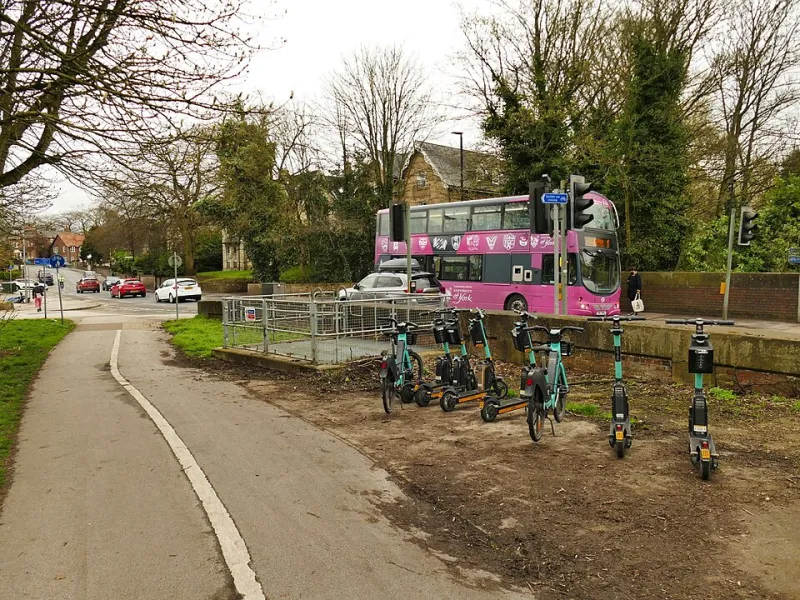
Photo: Stephen Craven , CC BY-SA 2.0, via Wikimedia Commons
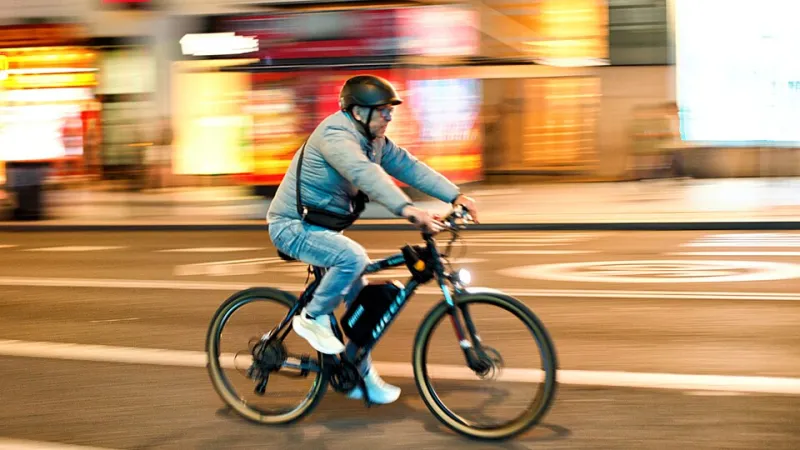
A few years ago, an e-bike at a gran fondo start line was a conversation starter. Now it's just Tuesday. Half the riders in your office own one, your neighbor commutes on one, and if you've done any group ride in Montana lately you've spent a few miles behind someone on a motorized assist who looks suspiciously relaxed on a climb.
So the question has stopped being "should e-bikes be allowed?" and become something much more practical: how does an assisted rider show up at the MSU Gran Fondo in a way that's fair, safe, and fun for everybody?
This isn't a ruling. It's a guide to the considerations that actually matter.
Start With the Rules Question
Event policies vary, so the first move is always to read the current rider guide for the event you've entered and, if it's unclear, email the organizers. Most gran fondos have settled into a version of the same position: pedal-assist bikes are welcome, throttle-driven bikes generally aren't, and assisted riders are usually asked not to contest overall results or age-group placings.
That last part ruffles feathers, so it's worth saying plainly. A timed fondo is a comparison between humans and their legs. If your bike is adding watts, the comparison stops being meaningful — not because you're cheating, but because you're on a different machine. Plenty of events now offer a separate assisted category or an untimed option so there's still a result to chase.
What Assist Actually Buys You
Battery anxiety is the number one question, and the answer depends almost entirely on how you use the motor.
A typical mid-drive e-bike carries somewhere between 400 and 750 watt-hours. On a road-oriented bike, in the lowest assist level, a reasonably fit rider can stretch that to 50 or 60 miles of rolling terrain. Crank it into the highest setting on a long climb and you might see 20.
Do the math for your own ride before the event:
- Add up the distance of the route you're entering.
- Estimate your realistic assist usage — flat and calm is different from a headwind day.
- Subtract 20 percent as a safety margin, then ask whether you can finish the route on what's left.
If the answer is no, the honest options are to ride the shorter route, carry a second battery, or accept that you'll be doing the last third unassisted. On a twenty-pound assist bike with a dead battery, that's a different ride than you planned.
The Pack Etiquette Part Nobody Explains
Here's where assisted riding gets genuinely complicated, and it has nothing to do with fairness.
An e-bike accelerates differently. It also tends to carry more speed into a corner and stop over a longer distance, because it's heavier. In a tight group, those differences compound. The assisted rider who surges out of every corner and then brakes hard into the next one creates accordion chaos behind them, and accordion chaos is how people go down.
A few rules of thumb that keep you welcome:
- Ride smooth, not fast. Constant speed is the currency of group riding; the motor makes that easier, so use it.
- Don't use assist to attack a climb from the back of the group. If you want to go up the road, go around and go early, like anyone else.
- Get out of the draft when you're not contributing. Sitting on a wheel with a motor is a bad look and, on a windy day, it's flat-out rude.
- Call your passes. Louder and earlier than you think you need to.
The Conversation to Have With Yourself
Every assisted rider should ask themselves one question before the start: what am I here for?
If the answer is "to finish a big, beautiful Montana ride in a reasonable amount of time with legs left for the after-party," you're in great shape. The fondo is a fantastic venue for that, and the assist is the thing that makes it possible. No apologies needed.
If the answer is "to beat my friend who's been training since March," that's a conversation to have with your friend, not the timing tent.
And if the answer is "to prove e-bikes belong here," you will do more for that cause by being the smoothest, safest, most courteous rider in your group than by winning anything. Reputation is built at 18 mph with a steady line, not on the results sheet.
Practical Prep for Assisted Riders
- Know your bike's class. Class 1 pedal-assist, 20 mph cutoff, is the standard most events accept. Class 3 bikes are faster and more likely to be restricted.
- Charge the night before and top off at the start if you can. Cold mornings eat range.
- Bring the charger and know where the feed zones are. Some riders arrange a mid-ride top-up; ask the organizers whether that's an option.
- Practice the route's descents loaded. Extra weight changes braking points more than most people expect.
- Carry tools for your bike specifically. Tubes, torque specs, and battery keys are not universal.
- Ride the route's longest climb at least once before the event. It's the best range test there is.
E-bikes aren't a threat to the spirit of the gran fondo. They're an on-ramp to it. The riders who handle it well — smooth in the pack, honest about their machine, generous about results — are the ones who make the case for everybody else.
See you at the start line. We'll know you by your line.