Forty Degrees of Nope: How to Dress for a Montana Fondo When the Forecast Lies
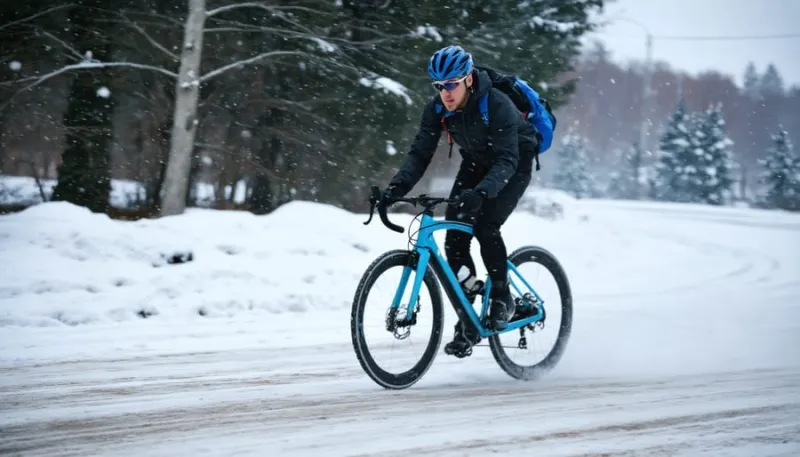
Photo: cyclist wearing layers vest cold weather mountain road cycling, via www.chesterfieldoutdoors.com
Ask anyone who's ridden the MSU Gran Fondo more than once and they'll tell you the same thing: the weather forecast is a rumor, not a promise. You can leave Bozeman at 6 a.m. in 35-degree fog and roll into the high country two hours later under a blinding blue sky at 75. Then you turn around and ride back into all of it, in reverse.
That 40-degree swing isn't a scare story—it's just June in the Gallatin Valley. And it's why the riders who finish strong aren't necessarily the fittest ones. They're the ones who packed like they meant it.
The Golden Rule: Dress for the Descent
Here's the mistake nearly every first-timer makes. You dress for the start line, feel great for an hour, then cook on the first climb and stuff everything into your jersey pockets. Twenty miles later, you're screaming down a canyon at 45 mph in a sweat-soaked jersey while the temperature drops through the floor.
Dress for the descent, not the climb. Yes, you'll start cold. Embrace it. Cold at mile two is uncomfortable; cold at mile 70 is dangerous.
The Layering System That Works
Base layer (non-negotiable): A lightweight merino or synthetic base layer sounds like overkill until you realize it turns a sweaty climb into a portable furnace on the descent. Budget pick: any polyester tech tee you already own. Splurge: a thin merino crew that doesn't stink by mile 80.
Mid layer: A packable thermal vest or light long-sleeve jersey. Vests are the gran fondo cheat code—10 grams of warmth per pocket-ounce, and they take up less room than a burrito. Budget: a basic wind vest from any big-box shop. Splurge: a wind-blocking vest with a thermal front and mesh back.
Shell: A packable rain jacket. Not a wind vest, not a 'shower-resistant' thing—a real jacket. Montana thunderstorms don't negotiate. Budget: a $60 emergency shell. Splurge: a sub-200-gram race cape that actually breathes.
Extremities: Full-finger gloves for the start, a skull cap or ear covers under the helmet, and toe covers. Your core can handle cold; your fingers on the brake levers cannot.
Tires and Wheels: Where Rubber Meets Reality
Montana roads are mostly smooth, but the shoulders tell a different story—chip seal, frost heaves, and the occasional post-winter gravel washout. This is not the day to run 23mm race tires at 110 psi.
Run 28mm rubber minimum, 30–32mm if your frame allows, at a pressure that leaves some give. Tubeless is worth the setup hassle for one reason: sealant fixes small cuts before they end your ride. If you're running tubes, bring two spare tubes and a boot patch, because a sidewall gash 30 miles from the nearest sag stop is a long walk.
The Emergency Kit That Separates Finishers from DNFs
Every rider should carry:
- Two spare tubes (or a plug kit for tubeless) and a mini pump plus CO2
- Tire boots (a cut-up old energy bar wrapper works in a pinch)
- Multi-tool with chain breaker
- A space blanket or ultralight emergency bivy—it weighs nothing and could genuinely save your life if you're stranded in a cold rain
- 500+ calories beyond what you plan to eat, in case the ride goes long
- ID, insurance card, and a credit card
- Chargeable lights if there's any fog in the forecast
The Printable Packing Checklist
Copy this into your notes app:
On the body: helmet, glasses (clear lens backup), base layer, jersey, bibs, gloves, socks, toe covers
On the bike: two bottles, top-tube bag with gels, saddle bag (tubes, tool, pump, CO2, boot, patches)
In the pockets: wind vest, rain shell, arm warmers, emergency bivy, ID and card, extra food, phone
At the start line bag: dry clothes for the finish, sunscreen, lip balm with SPF, post-ride layers
Budget vs. Splurge: The Honest Take
Here's the truth nobody selling you carbon wants to hear: the budget version of every item on this list will get you to the finish line. The splurge versions will get you there drier, warmer, and 300 grams lighter. If you're riding one fondo a year, spend on the shell and the tires—those are the two categories where cheap gear actually fails. Everything else, buy used or on sale and put the savings toward a recovery burrito in Bozeman.
Montana will test whatever you bring. Pack for the whole forecast, not the pretty one on your weather app.